

 Back to Blogs
Choosing the Right Patio Door Style for a Small Backyard Space
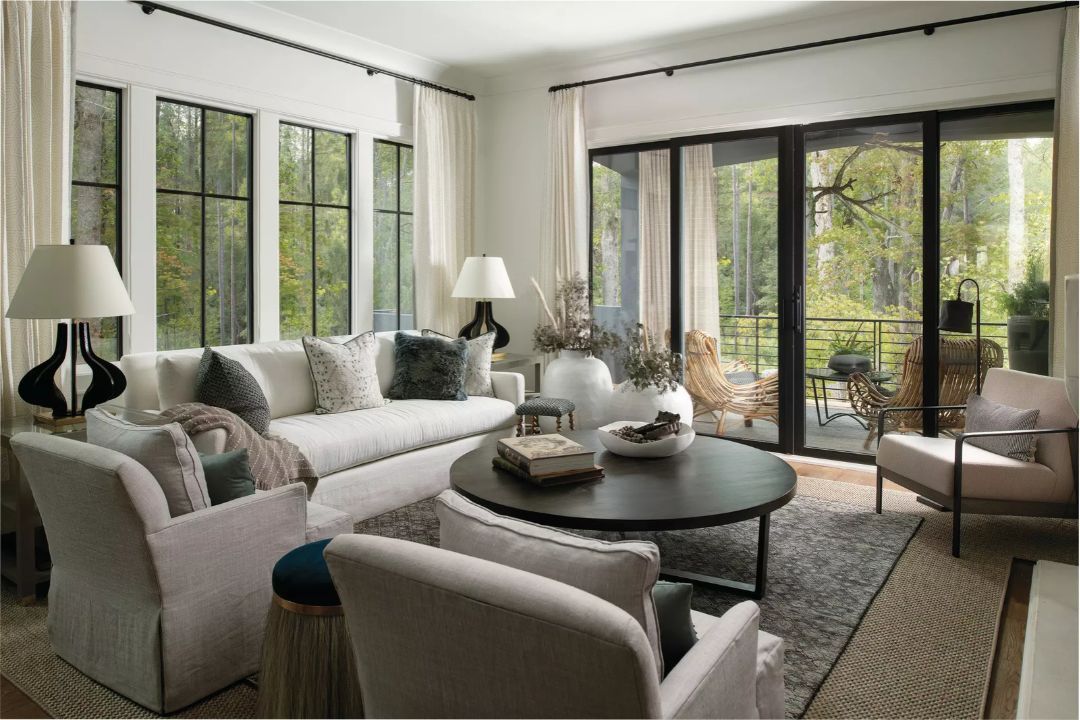
A small backyard changes how you choose a patio door. A door that swings open easily in a spacious yard can take up valuable room on a compact patio, bump into a grill, or force you to rearrange furniture whenever you want fresh air. If you're searching for patio doors for small spaces, the key question isn't which door looks best in a showroom. It's which style gives you the most usable space after installation.
Why Door Style Matters More in Tight Spaces
In a large yard, the swing of a hinged door may not be a concern. In a small backyard, patio, or narrow deck, that same swing can block a walkway, hit a railing, or leave little room for a table near the door. Homeowners often don't realize how much clearance a hinged door needs until they measure the space. That's when many start considering sliding patio doors.
Sliding Patio Doors: The Space-Saving Default
For many small backyards, a sliding patio door is a practical choice. Its panels glide along a track instead of swinging outward, so the door doesn't require additional clearance beyond the frame. This makes sliding doors a good fit for townhomes with narrow patios, decks with furniture close to the house, and homes where grills or planters sit near the doorway.
Sliding patio doors also provide a broad glass area that can bring natural light into the home and create a more open view of the backyard. In a compact space, that extra light and visibility can help the area feel more spacious.
Compare the available patio door styles to see which configuration best suits your home's layout.
When a Hinged Patio Door Still Makes Sense
A hinged patio door can still work well in a small backyard if there's enough room for the door to swing open. Depending on the design and installation, hinged doors can provide a tight seal when closed, which may be helpful in areas exposed to wind and rain.
The main consideration is clearance. Measure the door's full swing area, not just the width of the opening. Think about whether the door could hit a grill, block a narrow walkway, or interfere with a folding table when you're entertaining.
If the swing would interfere with how you use the space, a sliding door may be the better option. Sliding doors need regular track cleaning, while hinged doors may require occasional hardware adjustments. Both styles need routine maintenance.
The Uncommon Angle: Think About Screen Access, Not Just the Door Panel
Many patio door comparisons focus on whether the door swings or slides. Screen access is another important factor, especially in a small backyard where you may want fresh air without letting insects inside.
Many sliding patio doors have a separate screen panel that moves independently of the glass panels. This allows you to ventilate the home while keeping the screen in place. Ask about screen options when comparing models, particularly if children or pets regularly use the backyard during warmer months.
Sizing the Opening to the Space, Not the Other Way Around
Don't assume a standard two-panel sliding door is your only option. Depending on the existing opening and the home's structure, other configurations may be available. Bring accurate measurements and photos of the doorway to help a Design Consultant evaluate the space.
A door near a fence may be better suited to a two-panel slider, while a wider opening may accommodate a different configuration for a broader view. However, changing the opening size can require structural work, so confirm what's feasible before planning around a larger door.
Want to see how different styles might look on your home? The design visualizer lets you upload a photo and explore design options.
What to Consider Before You Decide
A few practical questions can help you narrow down your choices:
- Clearance: How close are nearby obstacles, such as a railing, grill, step, or fence?
- Natural light: Does the space receive direct sunlight for much of the day, or would a larger glass area help brighten the room?
- Daily use: Will the door serve as a main entry to the backyard, or will it remain closed most of the time?
- Screen access: Do you want to leave the door open for ventilation while keeping insects outside?
- Furniture placement: Will the door interfere with seating, tables, planters, or outdoor cooking equipment?
Considering these details before choosing a door can help you avoid a style that looks good on paper but doesn't work well in everyday use.
Making the Final Call
Lafayette homeowners with compact backyards, narrow decks, or small patios often favor sliding patio doors because they don't require swing clearance and provide a wide view of the outdoors. Hinged doors can still be a good choice when space allows and their design meets your needs.
The best option depends on your layout, ventilation preferences, and how you use the space each day.
Window World of Lafayette backs patio door installations with a Lifetime Limited Warranty, subject to applicable restrictions. Review the warranty details or contact the team with questions about your project.
Ready to find the right patio door for your backyard? Request a free quote and speak with a Design Consultant about your options.
Frequently Asked Questions
-
Often, yes. Sliding patio doors don't need swing clearance, leaving more usable space near the doorway. However, the best option depends on your layout and needs.
-
Possibly. Available sizes and configurations depend on the product and existing opening. A Design Consultant can review your measurements and explain your options.
-
Many sliding patio doors offer a separate screen panel that moves independently of the glass. Screen availability and design vary by model, so confirm the options for the door you're considering.
-
Clearance depends on the door's width and swing direction. Measure the full area the door will occupy when open, including nearby furniture, railings, and other obstacles.
-
Neither style is necessarily harder to maintain. Sliding doors need periodic track cleaning, while hinged doors may need occasional hardware adjustments. Follow the manufacturer's maintenance instructions for either style.