

 Back to Blogs
How a New Entry Door Helps Reduce Outdoor Allergens in Your Home
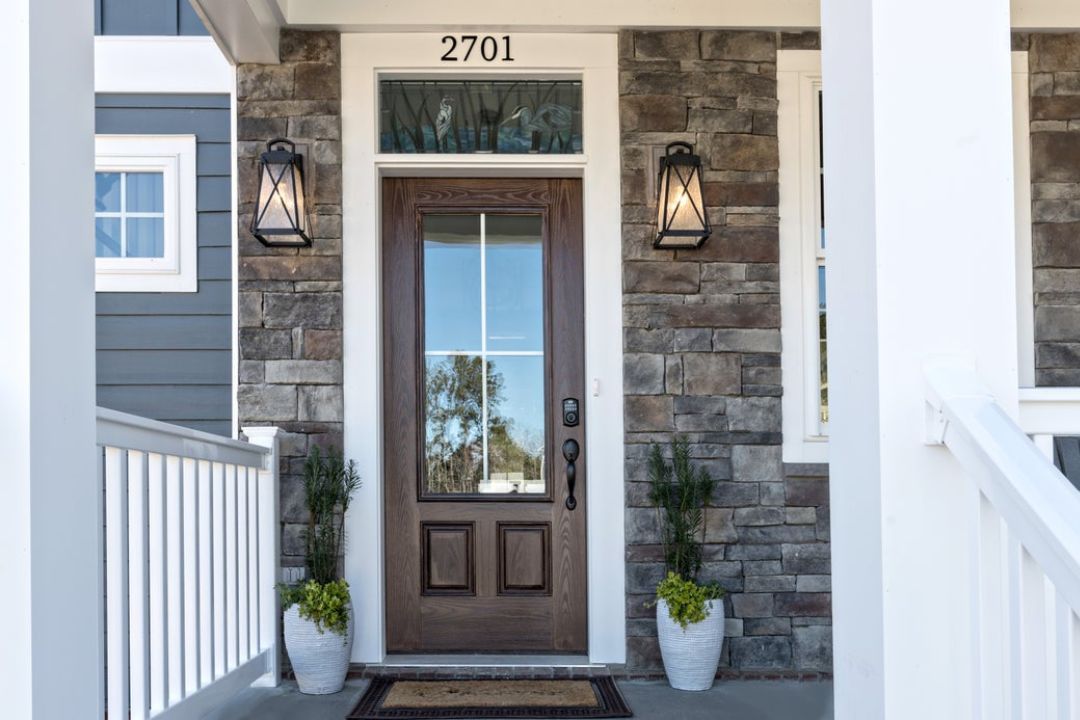
Spring pollen, summer dust, and fall debris all find their way into your house through the smallest gaps around an old, worn door. If you deal with sneezing, watery eyes, or a stuffy home every time the seasons change, your front door might be the reason. Installing new entry doors is one of the simplest ways to keep outdoor allergens where they belong: outside.
Many homeowners are surprised by how much a door affects indoor air quality. Below, we cover how allergens sneak in, why a well-sealed door makes such a difference, and what to look for when you are ready to upgrade.
How Allergens Sneak Into Your Home Through an Old Door
Older doors shrink, swell, and shift with the weather over time, creating small gaps around the frame, threshold, and hinges that most homeowners never notice.
Those gaps do more than let in a draft. Pollen, dust, mold spores, and pet dander can drift through them whenever the wind blows or a car passes by.
Warped weatherstripping and worn door sweeps are often the biggest culprits. Once the rubber seal cracks or flattens, your home loses its first line of defense against outdoor irritants.
Common Signs Your Door Is Letting Allergens In
- Visible daylight around the frame when the door is closed
- A noticeable draft near the bottom of the door
- Dust buildup on the floor just inside the entryway
- Increased sneezing or allergy symptoms indoors during high pollen days
Why New Entry Doors Make Such a Difference
A properly fitted, modern door closes tightly against its frame, leaving little room for outside particles to slip through. This is where new entry doors earn their keep.
A Tighter Seal Around the Frame
Our fiberglass entry doors are engineered with precise frame tolerances and weatherstripping that compresses evenly along every edge, blocking the pathways pollen and dust once traveled through.
Better Door Sweeps and Thresholds
New doors come with upgraded sweeps and adjustable thresholds that close the gap at the bottom, often the largest entry point for dust, debris, and even insects.
Improved Glass and Sidelite Seals
If your entryway includes glass panels or sidelites, older units can develop tiny seal failures over time. A modern door with properly sealed glass keeps that barrier strong, so allergens cannot slip in through those openings either.
Additional Benefits Beyond Allergy Relief
Understanding the new entry door benefits can help homeowners see how an upgrade can improve energy efficiency, durability, comfort, and curb appeal. A well-sealed door brings other advantages too.
Energy Efficiency You Can Feel
A tighter seal keeps conditioned air in, so your heating and cooling system does not have to work as hard. Our fiberglass entry doors are built with energy efficiency in mind, easing pressure on your monthly utility bills.
Long-Term Durability
Fiberglass resists temperature swings far better than many other materials, standing up to warping, cracking, and fading. That stability keeps the seal tight year after year instead of loosening within a season or two.
Backed by Recognized Quality
Our fiberglass entry doors have earned the Good Housekeeping Seal, reflecting years of in-lab testing for durability, temperature resistance, and energy performance. They also come in a range of factory finishes, with the option to paint or stain to match your home's style.
Peace of Mind With Every Installation
Every entry door we install is backed by a Lifetime Limited Warranty for long-term peace of mind. Restrictions may apply, so contact us for complete details.
Choosing the Right New Entry Door for Your Home
Not every door is built the same, and the right choice depends on your home's layout, climate exposure, and personal style. Here is what we recommend thinking about first.
- Match Your Climate: Homes exposed to strong sun, heavy wind, or humidity benefit most from strong weatherstripping and a durable finish that will not warp or fade.
- Consider Glass PlacementIf natural light is a priority, ask about sidelites or decorative glass options that still maintain a tight, energy-efficient seal.
- Think About Style and Curb Appeal: finish that complements your home's exterior, adds curb appeal, and offers better performance.
- Always Choose Professional Installation: Even the best door will underperform if it is not installed correctly. Our Design Consultants and installation teams make sure every new entry door is fitted precisely, so the seal performs as designed from day one.
Simple Maintenance Tips to Keep Allergens Out
Once your new door is installed, a little routine care keeps it performing well.
- Wipe down the weatherstripping with a mild soap-and-water solution a few times a year.
- Check the door sweep periodically to confirm it is still making full contact with the threshold.
- Keep hinges and hardware clean and free of debris buildup
- Avoid pressure washing directly at the door seal, since this can force moisture into areas it should not reach
Ready for a Home With Fewer Allergens?
If seasonal allergies seem to follow you indoors, your entry door could be the missing piece. Upgrading to one of our new entry doors helps seal out pollen, dust, and debris while adding energy efficiency, durability, and curb appeal to your home. Choosing a finish that pairs well with vinyl siding colors Lafayette homes can further enhance your home's exterior and create a polished, cohesive appearance.
Our team is ready to help you find the right fit for your home and budget. Reach out today for a Free Quote and take the first step toward a cleaner, more comfortable home.
Frequently Asked Questions
-
Yes. A properly sealed door blocks the small gaps where pollen, dust, and outdoor debris typically enter, noticeably improving indoor air quality for allergy-sensitive households.
-
Look for visible gaps, drafts near the bottom of the door, or dust collecting inside your entryway. These are common signs the seal has failed.
-
Fiberglass resists warping and temperature shifts more consistently, which helps the seal stay tight over time compared to materials prone to expanding and contracting.
-
Yes. A tighter seal keeps conditioned air inside your home, which can ease the workload on your heating and cooling system throughout the year.
-
Most professional installations are completed in a single day, allowing you to start enjoying a better-sealed, more comfortable home right away.