

 Back to Blogs
How Missing or Loose Shutters Affect Home Exterior Maintenance
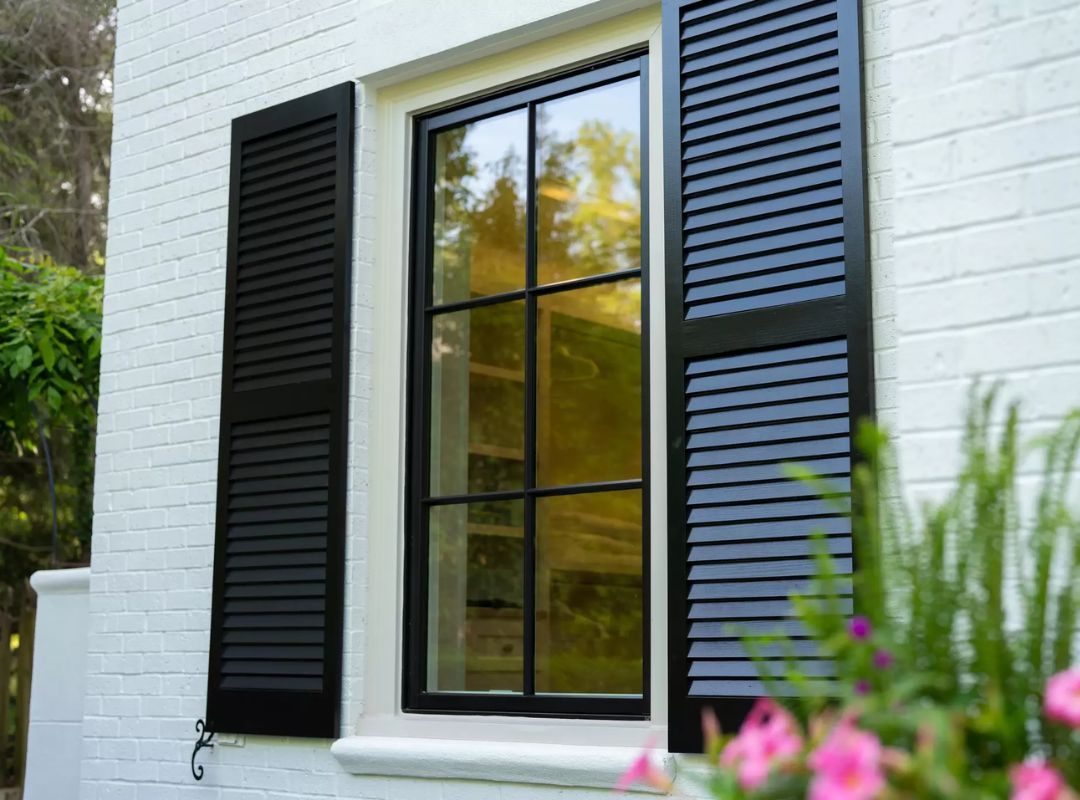
It’s easy to walk past a loose shutter for months without thinking twice about it. Maybe one hinge is a little crooked, or a shutter on the back of the house came off during a storm last year and never got reattached. On their own, these seem like small cosmetic issues. But exterior shutters do more than most homeowners realize, and letting them sit damaged or missing can create problems that go well beyond curb appeal.
Shutters Aren’t Just Decorative
While plenty of homes in the Lafayette area use shutters primarily for style, they’ve historically served a functional purpose too. Properly mounted shutters help shield windows from wind-driven rain and debris, and they can reduce the amount of direct weather exposure a window frame takes over time.
Even purely decorative shutters that aren’t meant to close still play a role in how water moves around a window opening. A missing shutter changes that pattern, sometimes in ways that aren’t obvious until damage has already started.
What Happens When a Shutter Comes Loose
A shutter hanging by one hinge or swinging loosely in the wind is more than an eyesore. Over time, that movement can:
- Wear down the mounting points, leading to holes or gouges in the siding or trim.
- Allow water to collect behind the shutter where it meets the exterior wall.
- Create a path for moisture to work its way behind siding during heavy rain.
- Increase the risk of the shutter detaching entirely and causing damage elsewhere on the home.
None of this happens overnight. It’s the kind of slow deterioration that becomes a much bigger repair conversation if it’s left alone through a few Indiana storm seasons.
Missing Shutters Leave Exposed Mounting Points
When a shutter falls off completely and isn’t replaced, the holes left behind from its mounting hardware are often left open to the elements. Those small gaps can let moisture behind the siding, which is exactly the kind of hidden entry point that leads to rot or mold over time.
It’s a small detail that’s easy to overlook, especially if the missing shutter is on a side of the house you don’t see often. But those openings don’t resolve themselves, and the longer they’re exposed, the more opportunity there is for water to find its way in.
Signs It’s Time to Address Your Shutters
A few situations worth acting on sooner rather than later:
- A shutter that’s visibly warped, cracked, or fading unevenly compared to the others
- Hardware that’s rusted, loose, or missing altogether
- Gaps or discoloration on the siding where a shutter used to be mounted
- Shutters that no longer sit flush against the exterior wall
If you’re noticing more than one of these across your home’s exterior, it’s a reasonable time to think about replacing the full set rather than patching individual pieces.
Why Homeowners Often Replace Rather Than Repair Piece by Piece
Shutters take a lot of direct sun and weather exposure, and mismatched wear between an older, weathered shutter and a newly repaired one is a common frustration. Routine shutter maintenance can also help extend the life of existing shutters by identifying damage and hardware problems before they become more difficult to address. Replacing the full set at once gives a more consistent look across the home and avoids the ongoing cycle of patching individual shutters as they fail one at a time.
Vinyl shutters hold up well against the freeze-and-thaw conditions typical of Indiana winters, without the warping or fading that wood shutters are more prone to over the years.
Style Options Worth Considering
If you’re replacing shutters anyway, it’s worth taking a moment to think about style rather than just matching what was there before. Common options include:
- Raised panel shutters, a classic look that suits a wide range of home styles
- Louvered shutters, offering a more traditional, ventilated appearance
- Board and batten shutters, a popular choice for farmhouse and craftsman style homes
A Design Consultant can walk through which style complements your home’s architecture and existing exterior colors.
Getting Your Exterior Back on Track
Loose or missing shutters rarely cause dramatic problems overnight, but they’re the kind of maintenance item that’s easy to keep putting off until it becomes something bigger. Addressing them early protects the siding and trim underneath and keeps your home’s exterior looking intentional rather than neglected.
If your shutters have seen better days, it might be worth getting a second opinion before another Indiana winter puts more strain on them. Request a Free Quote and talk with a local Design Consultant about your options. Locally Owned. Nationally Known.
Frequently Asked Questions
-
Yes. Repeated movement can wear mounting points and create gaps over time that let moisture reach the siding underneath.
-
Replacing the full set often gives a more even, consistent look, especially if remaining shutters show noticeable wear or fading.
-
Generally yes. Vinyl resists warping and fading better than wood through repeated freeze-and-thaw cycles typical of Indiana winters.
-
Exposed mounting holes can let moisture behind the siding, increasing the risk of hidden rot or mold over time.
-
A Design Consultant can review your home’s architecture and exterior colors to recommend a style that complements it well.