

 Back to Blogs
Signs Your Patio Door Is No Longer Protecting Against Indiana Weather
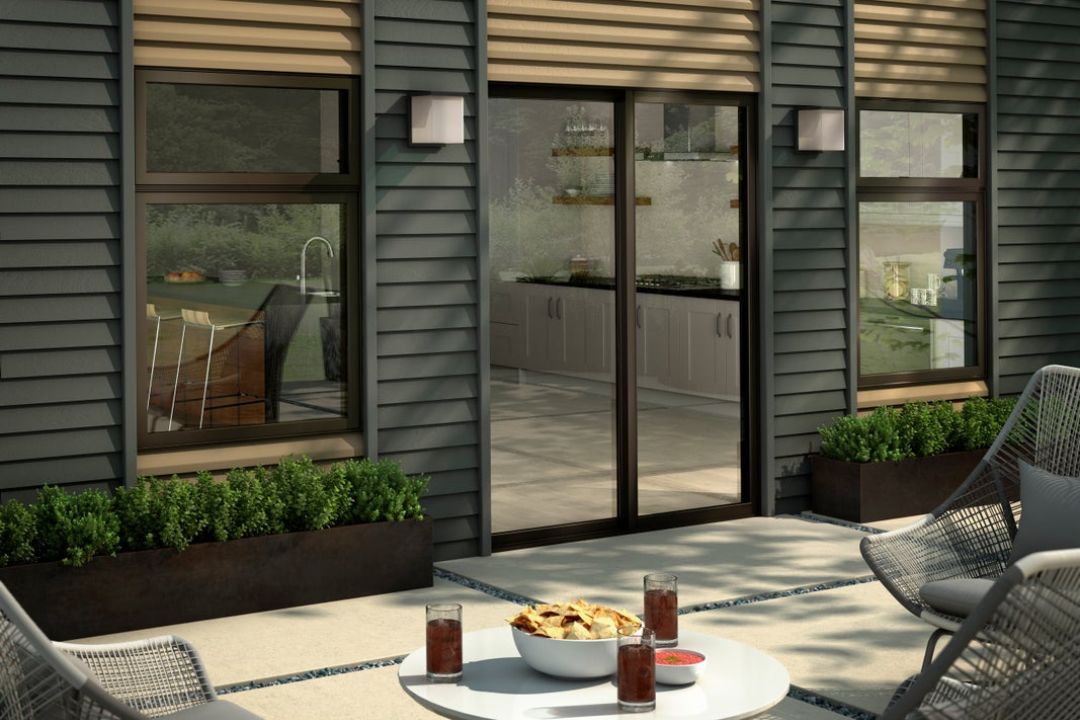
Indiana weather can shift fast, and your patio doors are on the front line every day. Cold snaps, humid summers, and sudden storms put real stress on the seals, frames, and glass that keep your home comfortable. When a patio door starts to fail, the damage is often gradual, so it is easy to miss until your energy bill climbs or a draft catches you on a chilly evening. Learning the signs your patio door needs replacement can help you recognize when worn seals, damaged frames, or other problems are affecting your home's comfort and efficiency. Recognizing common patio door problems early can help you avoid costly repairs and maintain a more comfortable, energy-efficient home.
Why Indiana Weather Is Tough on Patio Doors
Indiana homes experience wide temperature swings throughout the year. Summers bring heat and humidity, while winters bring freezing temperatures, ice, and snow. This constant back and forth is known as a freeze-thaw cycle, and it puts real pressure on door frames, seals, and glass.
Wind-driven rain, sudden storms, and seasonal humidity changes add even more strain. Over time, materials expand and contract, seals lose their grip, and weatherproofing breaks down. That is when homeowners start noticing real problems with their doors.
Common Signs Your Patio Door Needs Replacing
Drafts and Cold Air Near the Frame
If you feel a breeze near your patio doors even when they are closed, the seal has likely failed. Cold air sneaking in during winter, or warm air leaking in during summer, means your home works harder to stay comfortable.
Drafts usually point to worn weatherstripping or a frame that has shifted out of place. Either way, your insulation is no longer doing its job the way it should.
Fog or Condensation Between the Glass
Modern vinyl patio doors use insulated glass with a sealed air space between the panes. When you see fog, haze, or moisture trapped between the glass, it means the seal has broken and the insulating gas has escaped.
This is not something that can be wiped away from the outside. Once the seal fails, the door loses much of its energy performance.
Doors That Stick, Stall, or Won't Lock
A patio door should glide open and close smoothly. If yours sticks, drags, or the lock no longer lines up correctly, the frame may have warped or settled.
This is more than an annoyance. A door that does not close and lock properly cannot seal out the weather or keep your home secure.
Warping, Cracking, or Fading
Take a look at the frame and panels. Warping, cracks, or noticeable fading are signs that materials have broken down due to years of sun exposure, moisture, and temperature fluctuations.
Damage like this is rarely just cosmetic. It usually means the structure underneath has weakened too.
Rising Heating and Cooling Bills
If your energy bills have crept up without an obvious reason, your patio doors could be part of the problem. Poor seals and outdated glass let conditioned air escape, forcing your HVAC system to work overtime.
Energy-efficient doors are built to reduce this kind of loss, keeping your indoor temperature steady no matter the season.
Water Stains or Soft Spots Near the Threshold
Water stains on the floor, soft spots in the surrounding wall, or a musty smell near the door are signs of moisture damage. Once water gets in, it can damage flooring, framing, and indoor air quality.
This is one sign that should never be ignored, since the damage tends to spread quickly.
What These Signs Mean for Your Home
Each sign points to the same issue: your patio door is no longer sealing out Indiana weather the way it should. Left unaddressed, these problems tend to worsen, leading to higher energy costs and potential damage to your home.
Replacing an aging patio door with a properly installed, high-performing option restores comfort, protects your interior, and helps your home run more efficiently year-round.
Choosing the Right Replacement Patio Door
When it is time to replace your patio doors, look for options built specifically for demanding climates like Indiana's. A few terms worth understanding:
- Low-E glass has a thin coating that reflects heat while still letting in natural light, helping keep your home cooler in summer and warmer in winter.
- Argon gas is used between glass panes to improve insulation compared to standard air.
- U-factor measures how well a door prevents heat from escaping. A lower U-factor means better insulation.
Choosing a vinyl patio door built with these features gives you long-term performance without the upkeep that other materials require. Many homeowners also choose to coordinate their new patio door with a matching entry door to create a more cohesive exterior while improving energy efficiency at multiple access points.
Why Professional Installation Matters
Even the best patio door underperforms without correct installation. Proper installation ensures a tight seal, correct alignment, and full protection against drafts and moisture.
That is why we always recommend professional installation over DIY methods. Every replacement we install is backed by a Lifetime Limited Warranty for long-term peace of mind. Restrictions may apply, so contact us for complete details.
As America's Exterior Remodeler, we manufacture our products in the USA and stand behind every installation, built to perform in real Indiana conditions.
Ready for Patio Doors That Actually Perform?
If you noticed even one of these signs while reading, your door may already be letting Indiana weather in. Waiting only gives the problem more time to grow, whether that means higher bills, water damage, or a door that no longer locks securely.
Our team is ready to walk you through your options and help you choose a replacement built for our local climate. Reach out today for a free quote and take the first step toward a more comfortable, energy-efficient home.
Frequently Asked Questions
-
Once the seal between the glass panes fails, moisture and lost insulation cannot be restored, so replacing the glass unit or the entire door is typically necessary.
-
Frequent freeze-thaw cycles, humidity swings, and storms place ongoing stress on seals, frames, and glass, which can shorten a patio door's lifespan compared to milder climates.
-
Yes, a vinyl patio door resists warping, fading, and moisture damage while offering strong insulation, making it well-suited to Indiana's changing seasons and temperature swings.
-
Energy-efficient patio doors with quality glass and tight seals reduce drafts and heat transfer, which can noticeably improve comfort and lower heating and cooling costs.